Overview
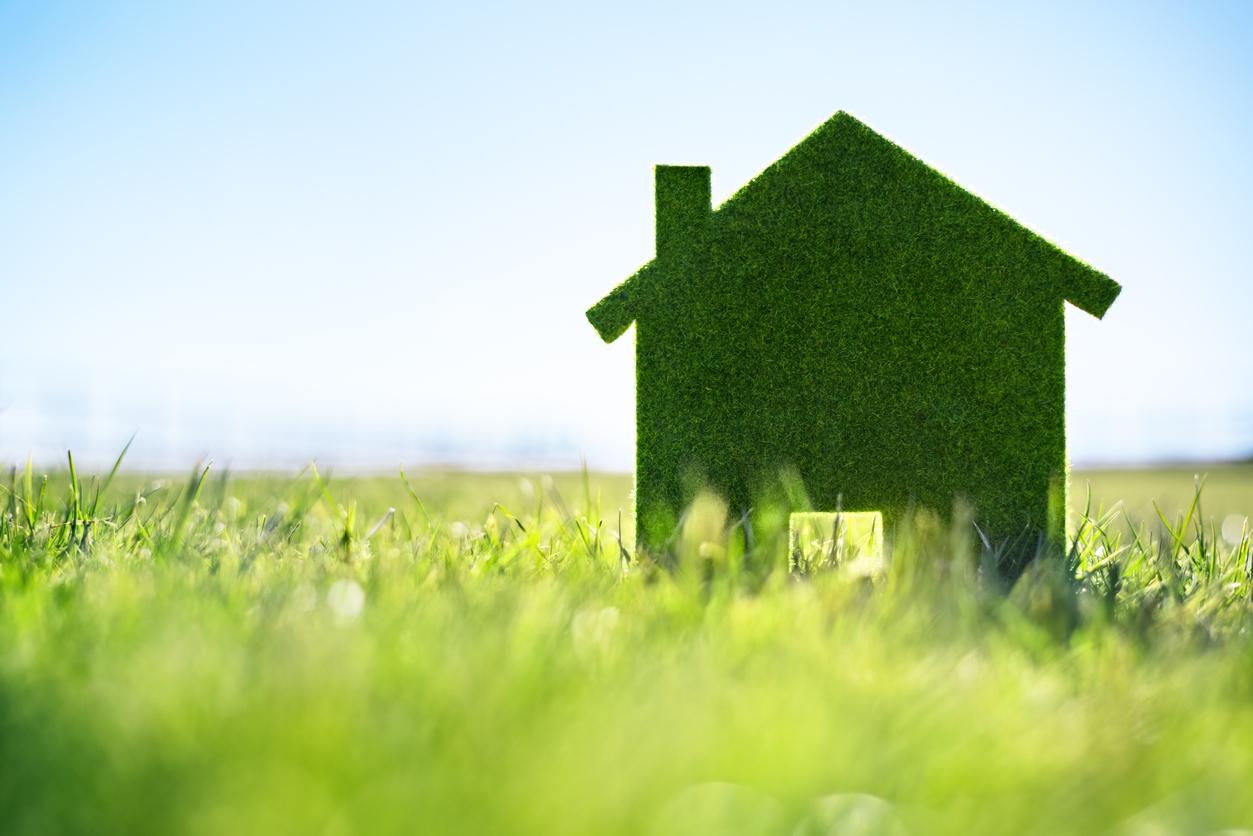
The custom home building industry has made leaps and bounds in its movement towards building Green. Incorporating Green Building products and practices in homebuilding and remodeling projects results in quality homes and financial savings for you.
Green Building is not simply a title we use but a belief that we can help our planet by focusing on developing sustainable sites, reducing waste, and increasing energy efficiency in a home.
Current building codes establish minimum construction standards that protect your safety. Green Building supplements building codes by using premium materials that are more durable and construction practices that often exceed building code requirements. Together, these qualities enhance your home’s performance and reduce maintenance and replacement costs, thereby raising its overall value.
In order to have a productive Green Home, you need to be able to cut costs when required. This means using less electricity and trying to eliminate the products that have a negative impact on the environment. Even the smallest effort can make a significant difference.
Don Collins Builder has built Certified Green Homes and Energy Star rated homes throughout Raleigh, area of North Carolina and has been established as an industry leader in Green Building.
Although it is obvious that there are many cost-effective ways to go Green, some of them are often forgotten. While benefits will vary depending on the specific choices made by the builder and homeowner.

Financial Savings

Location / Lot Construction

Innovative Practices

Electrical

Reduce, Reuse, Recycle

Energy Efficiency

Heating & Air Conditioning

Plumbing

Renewable Energy

Insulation / Air Barrier

Natural Light

Homeowner’s Manual

Indoor Air Quality

Financial Savings
Green building construction practices and products make homes more energy efficient through proper, adequate insulation and air sealing. Efficient windows, appliances, lighting, and other household equipment also help add to the savings and keep your monthly electricity bills low. Up to 65% lower! And with energy prices rising and non-renewable fuels being depleted, an energy efficient home is an asset we can all appreciate for years to come.
Water bills are also reduced through low-flow equipment and thoughtful land use.
Homes built following Green Building Standards may also qualify for special “Green” financing called an Energy Efficient Mortgage (EEM), they can offer you more purchasing power.

Location / Lot Construction
- Minimal Soil Disturbance
- Sediment and Erosion Control
- Landscaping with native, drought-resistant plants and water-efficient practices.
The secret to making your home a finely tuned Green Home in energy conservation is taking advantage of the sun and wind to heat, light, and cool your home affordably.Using the sun for heating through south facing windows during the winter lowers heating costs. Shading those same windows in summer lowers cooling costs. Solar tempering aims to optimize this passive use of the sun’s heat.
Designing a home to take advantage of the surrounding landscape from the outset, planning your site to blend in and working with the natural features of the surrounding community are a few of the green land development strategies, saving money as well asbeing environmentally- friendly.
Natural Light
One of our goals in the design phase of Green Home building is using the sun to the building’s advantage for natural heating, cooling, and daylighting.
By designing a home flooded with light, a Green Home allows for sunlight to warm the home naturally. Not only does it blur the line between inside and out, best gives a picturesque panorama of impressive views.
Enhanced Durability and Reduced Maintenance
- Foundation Waterproofing and Perimeter Drains
Material Selection
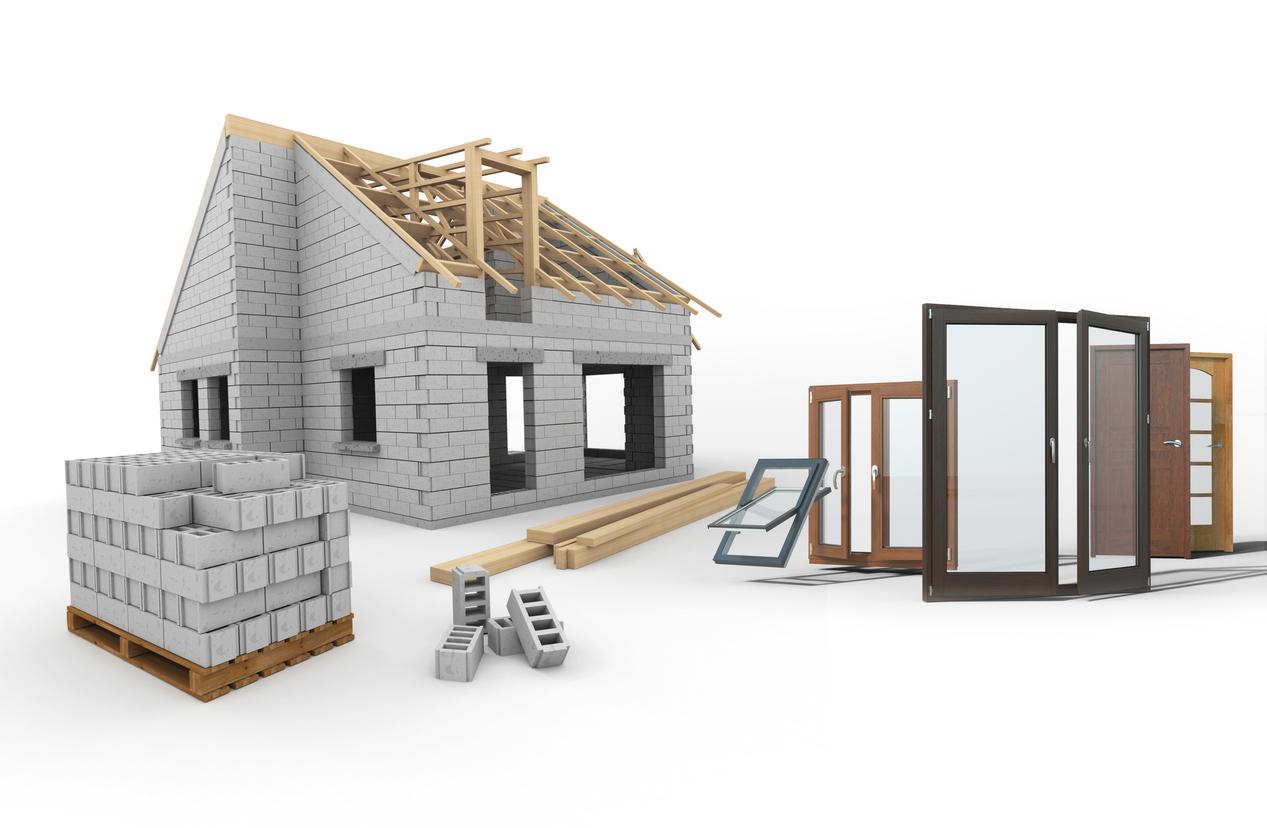
Every year we dump a massive 2.12 billion tons of waste into our planet. Now imagine the accumulation of that over several years! Material selection will not cut this number in half, but it will prevent us from adding to it when we choose recycled or reused materials. Materials that are non- toxic and non-allergic can also be used which are better for people and the planet.
Examples of such long-lasting materials and their applications include decking made from recycled plastic and wood fibers, durable tile flooring, 50-year roofing materials, and fiber-cement siding. These can outperform their traditional counterparts by reducing maintenance and replacement costs.
Quality of Construction
- Advanced Framing Techniques
- Prefabricated Components
- Precut Components
- Engineered Wood / Engineered Steel Products
Sustainable building materials reduce the impact of your construction on the environment. For example, wood is a renewable resource when you choose a supplier who follows sustainable planting practices, using materials manufactured with natural, renewable materials.
Eco Friendly Lighting
- Energy Star Appliances
- LED / Bulbs – Fixtures
- Dimmer Switches to help save Energy
- Programable Thermostats
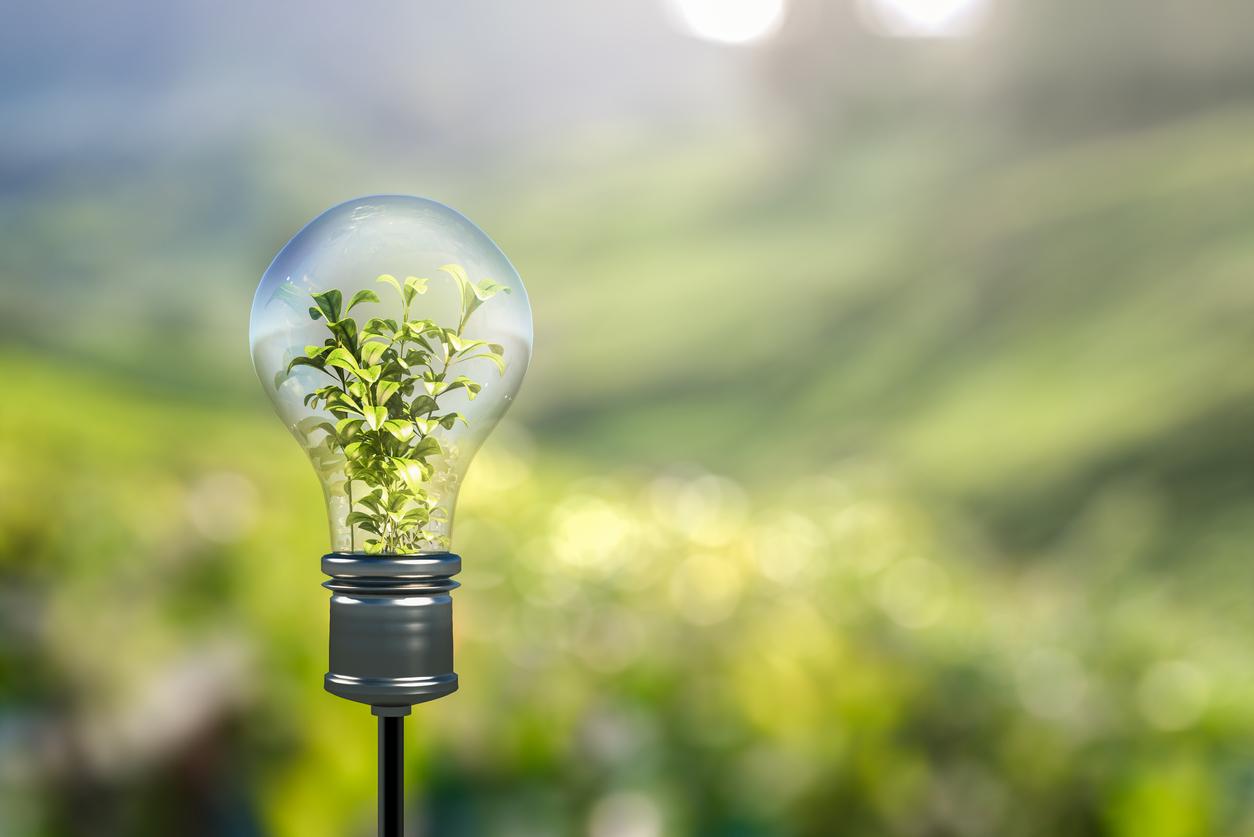
Advances in solid state lighting, and lighting controls have enabled tremendous reductions in installed lighting power density. Green Building practices considers the most efficient fixtures as well as maximizing options for the use of natural daylight.
Efficient lighting design should address general and task specific lighting options, as well as the overall occupant experience.
LED lights are the perfect match for these tasks. They are more energy efficient than CFLs, last many years longer, and contain no mercury. In addition, they can meet a variety of lighting needs from very bright white light to soft, warm light. Selecting the right LED lights for the task, locating lights strategically, and utilizing natural light as effectively as possible can drastically reduce a home’s energy use.
Reduced Maintenance
- Sealed Crawlspace
- Water Restrictive Barriers
- Advanced Flashing Methods
- Water / Ice Barriers
- Gutters / Downspouts with Drainage Systems
Recycled-Content Building Materials
Using environmentally or eco-friendly products reduce the impact of construction on the environment. Materials like engineered wood products are encouraged because they efficiently make use of waste wood pieces, reducing environmental impacts of the wood industry. Recycled-content products productively use materials that would otherwise need to be hauled to landfills, and reduce costs and impacts of producing products from virgin materials.
Renewable Materials
Green, high quality building materials are now widely available, minimizing or eliminating indoor air quality issues, avoiding toxic substances, and reducing waste. Recycled content and pre-manufactured goods reduce the use of materials, reduce costs, and frequently perform better than conventional alternatives.
Recycled Waste Materials
- Designated Recyclable Material Containers
By using a waste management strategy, you can recycle more than 70 percent of some waste materials on the construction site.

Energy Efficiency
- HVAC – ACCA Manual S / ACCA Manual D
- Duct Air Sealing
- Air Barrier / Thermal Envelope Air Sealing
- Lighting in Building Envelope
- LED Lighting
At Don Collins Builder we focus on building homes that meet the strict Energy Efficiency guidelines of ENERGY STAR.
Energy Efficiency is one of the largest components of Green Building because of its large environmental impact, generating 25% to 35% energy savings. It is all about installing energy smart appliances & increasing natural light that not only lowers your ecological footprint but also your utilities bill.
The ENERGY STAR label on a piece of equipment states that a particular product has been deemed as energy efficient by the Environmental Protection Agency (EPA).
Energy Star Appliances
Appliances have two costs: what it costs to purchase and what it costs to run the appliance. Energy Star certified appliances incorporate advanced technologies that use 10–50 percent less energy and water than standard models. Energy Star certified appliances may be more costly than standard models, however the money you save on your utility bills more than makes up for the difference in price.
The Energy Star label is a valuable tool for consumers who are in the market for any number of new products and appliances. By looking for the Energy Star label, you can ensure that the product you end up buying is more energy-efficient than most alternatives. This will save you money and help to lower your impact on the environment.
Energy Star Windows
Energy Star windows and doors are essential in the Green Home building marketplace.Windows and doors are the third most cost-effective opportunity for making a home energy efficient. Control window and door heat loss and gain by selecting appropriate window and door products, carefully locating them, and optimizing their size and orientation.
Energy Star windows also greatly reduce sound transfer between outside and inside, resulting in heating and cooling costs savings and home values rising.
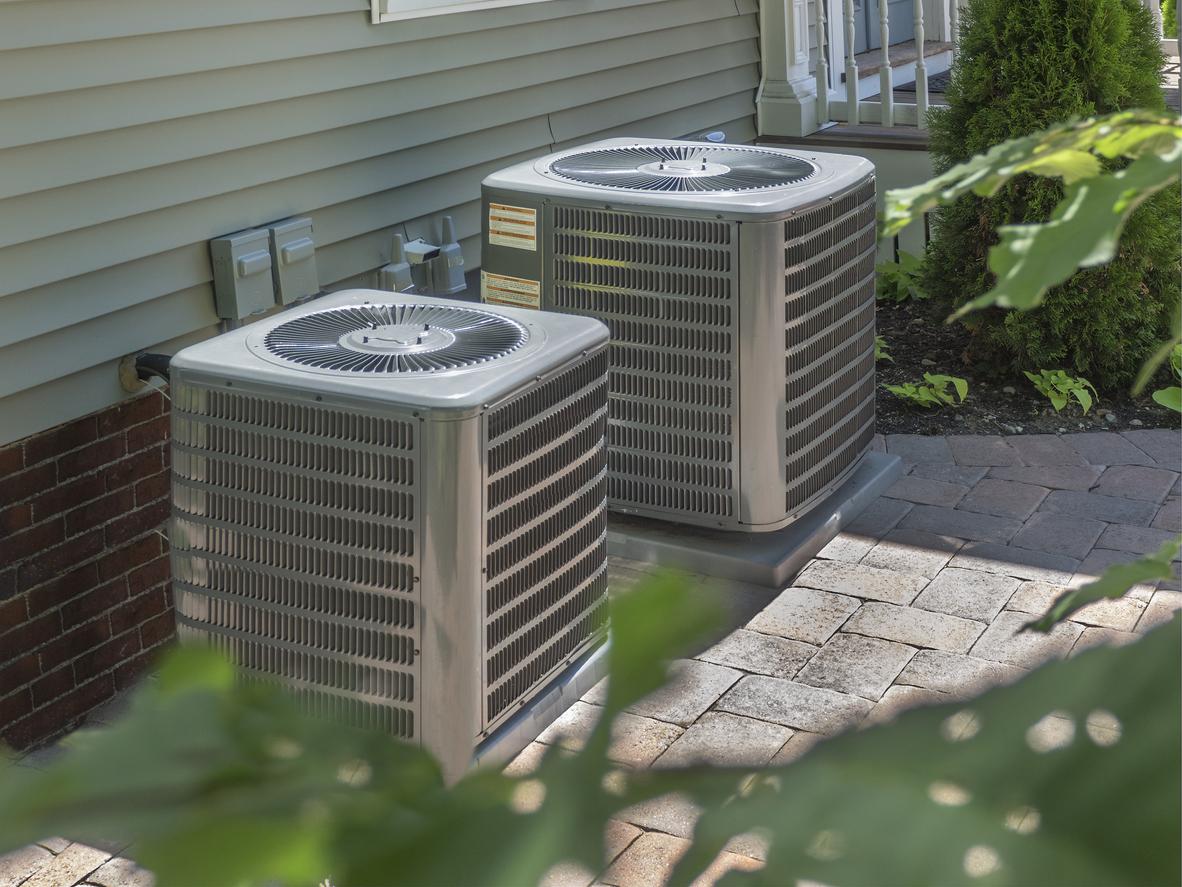
Heating and Air Conditioning
Adequate ventilation is especially important in Green Building as it can reduce the potential for mold growth and buildup of allergens and other particulates. With tighter construction of the exterior envelope, ventilation is essential to allow excess moisture to escape so it does not get trapped in your home’s living space and building cavities.
High Efficient Energy Star rated HVAC System that is designed for your home, professionally installed and performs at its full potential. Ductwork should be professionally evaluated with a goal of under 10% leakage.
Programmable Thermostats
Almost 50% of our energy goes towards heating and cooling our homes. Using smart home technology to reduce our energy usage by installing a programmable thermostat. These high-tech thermostats can be programmed to adjust heating and cooling processes that consider time of day, times when no one is home, vacations and more.
Programmable thermostats reduce heating and cooling bills, making your HVAC system work more efficiently. Additionally, 3% to 5% of our energy bill can be saved by setting the thermostat down 1 degree in the winter and 1 degree up in the summer.
Heat Recovery Ventilation
Heat Recovery Ventilation (HRV) provides fresh, outdoor air while helping preserve the indoor air temperature. It is an energy efficient air exchanger that removes stale air and adds fresh air to your home.
During the winter, the warm indoor air preheats the cold air coming in from the outside. With the incoming air now much warmer than it began, you will use much less energy conditioning. During the summer the process reverses. The cold outgoing air absorbs heat from the incoming hot air, cooling it, and reducing the cost of cooling your home.
Energy Recovery Ventilation
Energy Recovery Ventilation (ERV) removes old/stale air by replacing it with fresh air. It improves moisture control and improves order control in the HVAC system. An HRV can be installed to work with a forced-air system by being connected to the duct , this way both systems can run simultaneously.

Water Savings
Homeowners are becoming increasingly aware of water conservation. Water heating is often the largest energy expense in a home after heating and cooling. Green Building focuses on strategies and technology that allow us to use water more efficiently, up to 39% compared to conventional building.
Low flow faucets, toilets, shower heads, tankless water heaters, as well as Energy Star washing machines and dishwashers, saves water and energy.
- Energy Star Water Conserving Appliances
- Lavatory Faucets Less Than 1.5 GPM
- Water Closets Flush Value 1.28 Gallons
Hot Water Circulating Loops
A typical hot water system has piping that comes from the water heater in a “tree” configuration, with a main trunk and smaller branches that go to each fixture. When you turn on the hot water tap, you must wait for the cool water to flush out of the piping before you get hot water.
A recirculating system is piped differently using an insulated hot water loop that travels throughout the house and gets close to all the fixtures that use hot water. There are very short branch pipes that connect this loop to each fixture. A pump is used to circulate hot water so that hot water arrives at the fixture very quickly.
Tankless Water Heaters
Tankless Water Heaters heat only the water that is needed as it passes through the coil. This eliminates energy costs as it heats only the amount of water that is needed.
Rainwater Harvesting
Install a rainwater harvesting system while building your Green Home to collect rainwater from roofs and into a storage tank. The collected rainwater can then be used for other purposes such as toilets or sprinkler systems.
Renewable Energy
Geothermal Energy
Adequate ventilation is especially important in Green Building as it can reduce the potential for mold growth and buildup of allergens and other particulates. With tighter construction of the exterior envelope, ventilation is essential to allow excess moisture to escape so it does not get trapped in your home’s living space and building cavities.
High Efficient Energy Star rated HVAC System that is designed for your home, professionally installed and performs at its full potential. Ductwork should be professionally evaluated with a goal of under 10% leakage.
When the temperature drops outside, heat in the pipes is released and brought inside to warm the space. In the summer, this process is reversed and heat from the air is transferred through the pipes back to the ground outdoors. The temperature underground cools the refrigerant in the system when the weather gets warm and then returns cool air to your property.
Dual Fuel Heat Pumps
Dual-fuel heat pumps combine an electric heat pump and a gas furnace to create a more energy-efficient unit. These units are an extremely eco-friendly solution that comes with a unique feature that prompts the unit to switch from electric to gas heat when the temperature dips under 35 degrees.
Solar Energy
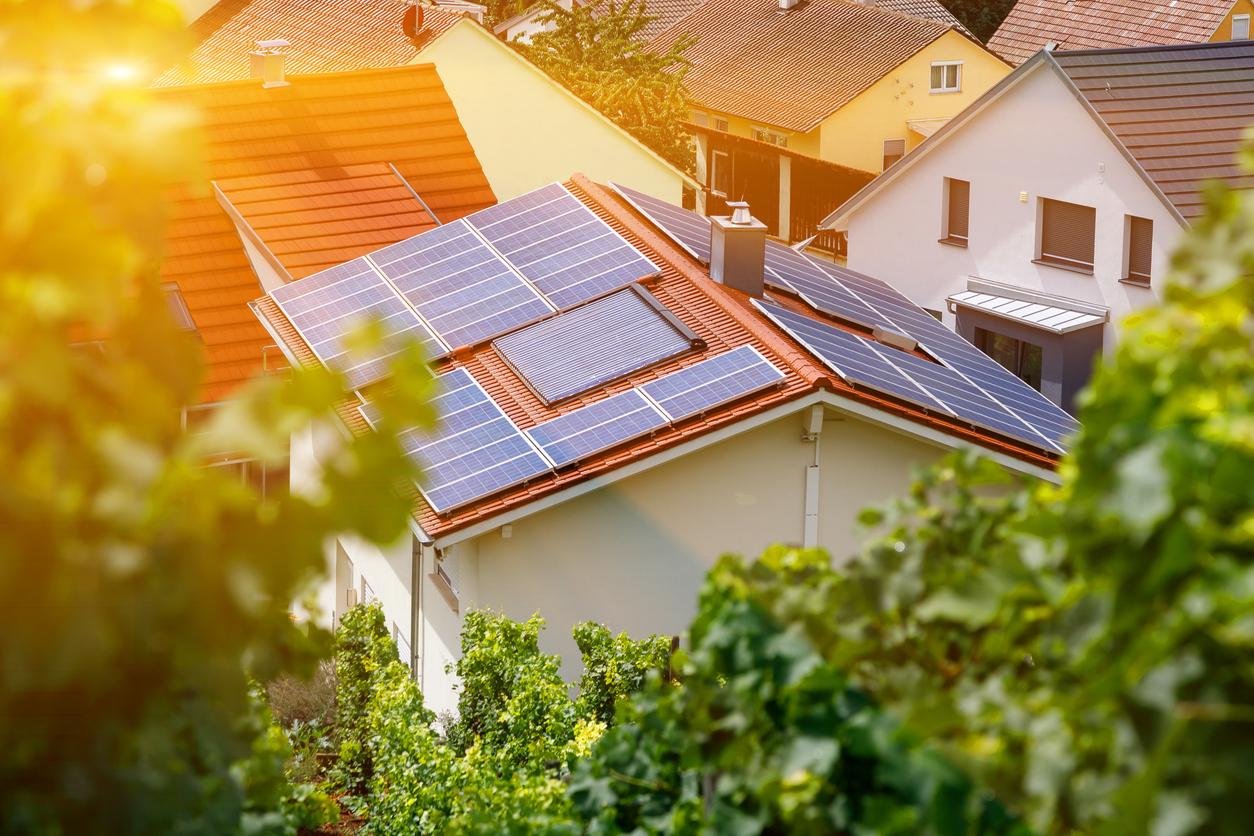
Solar Panels are emerging as one of the most desired technologies for people who want to utilize the natural power around us, the sun.
The location of your home and style of construction will determine how much power you can collect. By taking advantage of solar power, you can bring down your energy consumption and supply excess energy to your utility company. Additionally, the government grant, incentive, and tax breaks to those who want to use solar power in their homes.
Insulation / Air Barrier
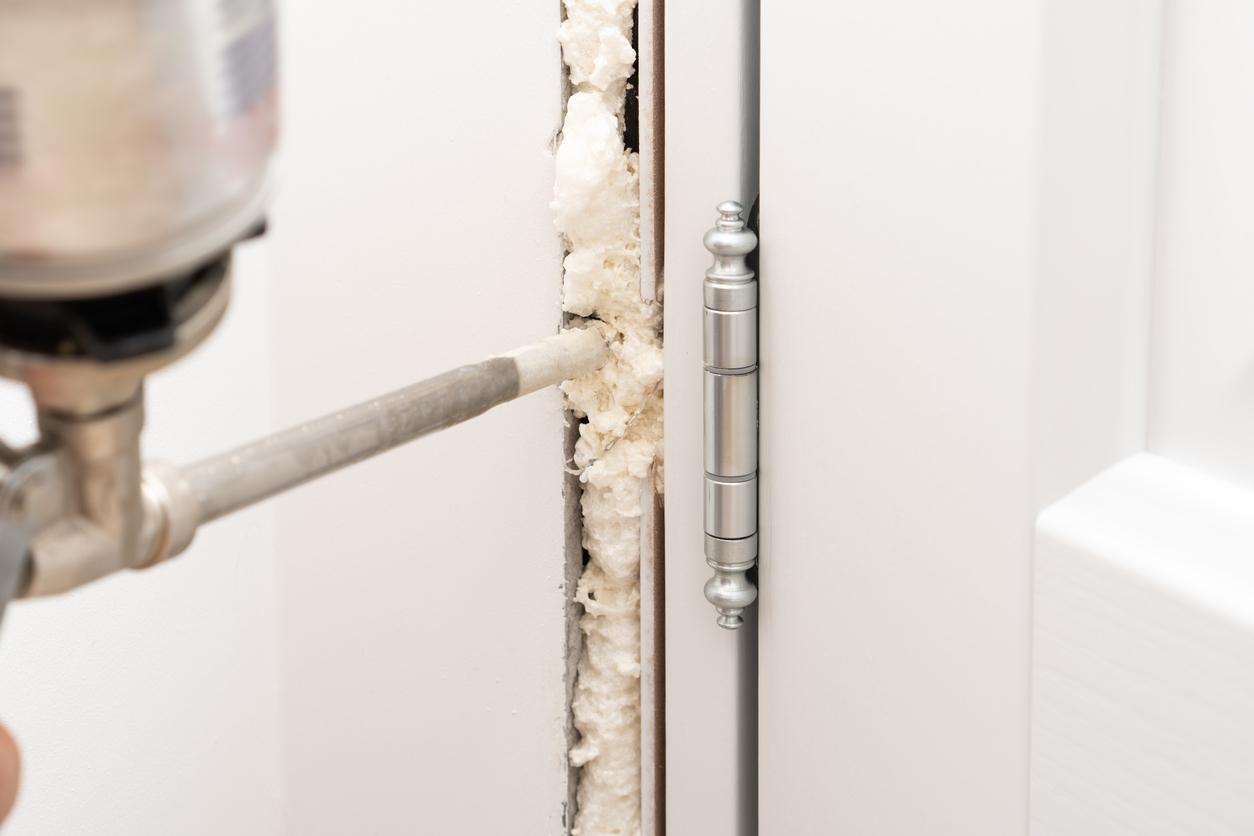
About 40 percent of energy cost comes from heating and cooling your home as air is leaking out. Spray foam insulation protects against the single biggest source of heat flow – air leakage.
Spray foam outperforms traditional insulation like fiberglass and cellulose.It is a very pliable, light-weight insulation material best suited for attics, crawl spaces, and open wall cavities. As an insulation material, spray foam is known to maintain a constant temperature throughout the home while creating an air seal, reducing monthly energy costs.
Natural Light
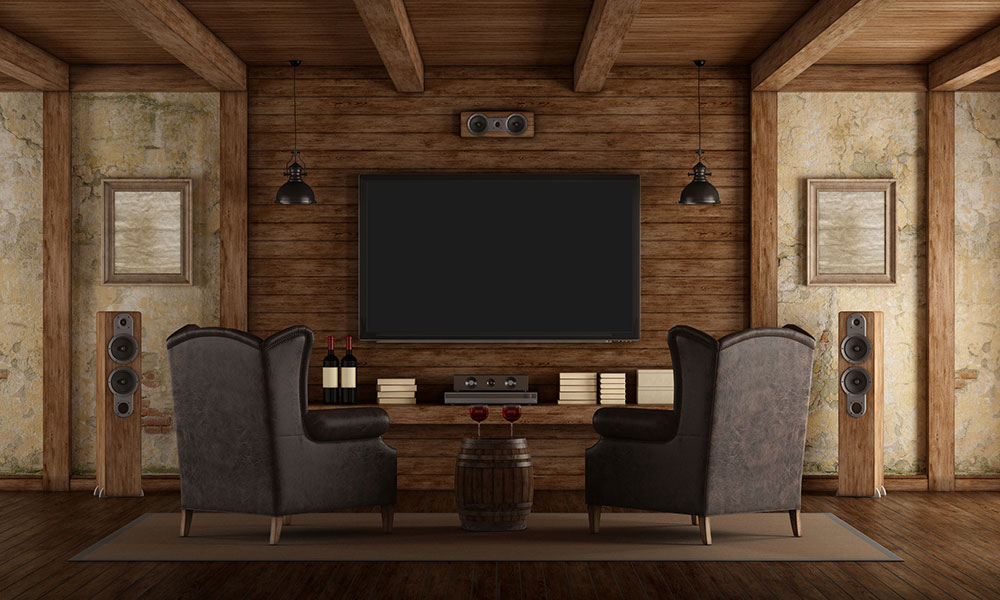
One of our goals in the design phase of Green Home building is using the sun to the building’s advantage for natural heating, cooling, and daylighting.
By designing a home flooded with light, a Green Home allows for sunlight to warm the home naturally. Not only does it blur the line between inside and out, best gives a picturesque panorama of impressive views.
Enhanced Durability and Reduced Maintenance
- Foundation Waterproofing and Perimeter Drains
Homeowner’s Manual
- Scheduled Services and Maintenance Practices
- Photo Record of Framing with Utilities Installed
- Homeowner Walk-Thru / Training and Orientation
A Green Home is not a luxury, it is a necessity for our planet. We have a responsibility to both our clients and our environment.
At Don Collins Builder, we believe that we can all have an influence that will improve the way we live – today and tomorrow.
Let us build your Green Home together!
Indoor Air Quality
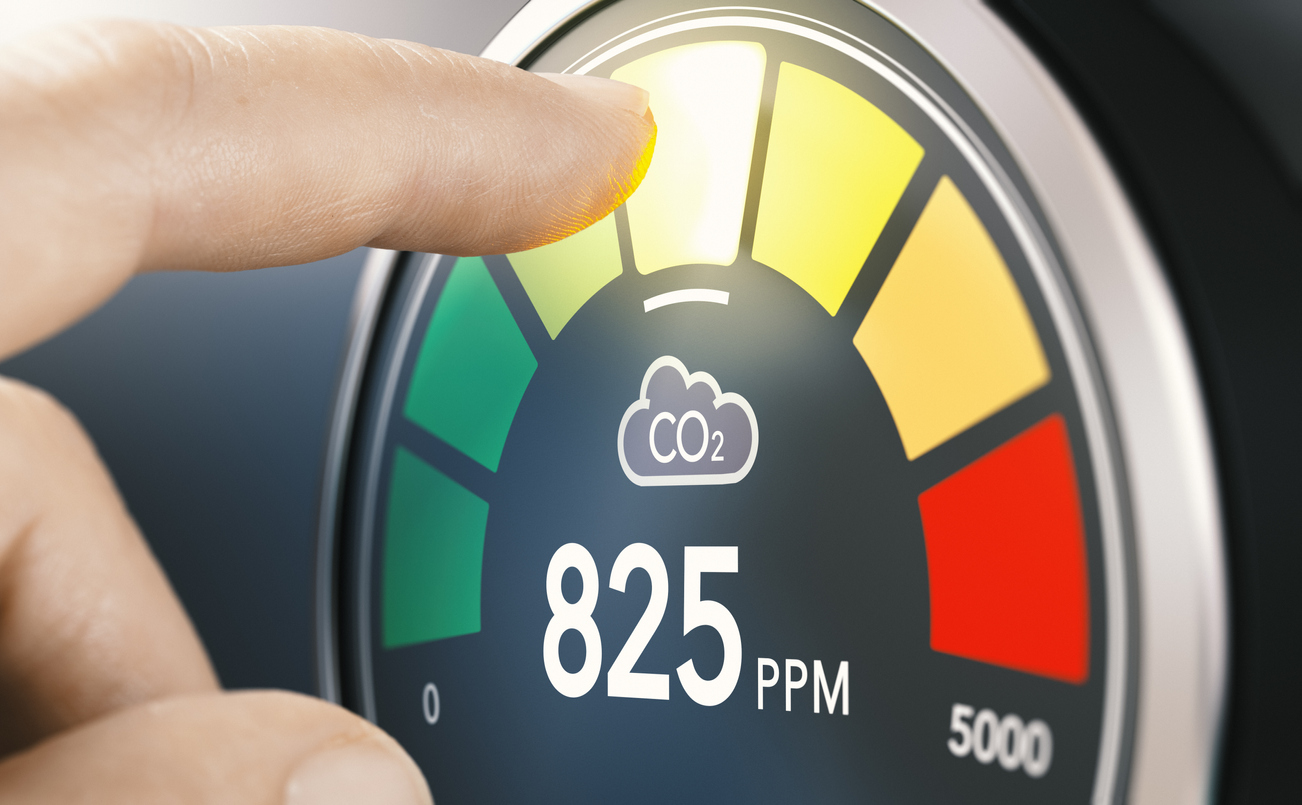
There are few things more important than the air we breathe, and too often this topic is neglected when speaking of how we build our homes. Indoor Air Quality affects the health and comfort of our homeowners. Achieving a high-quality indoor environment involves careful choices of design, layout, and materials
Green Building encourages use of products and materials that reduce or eliminate these sources of indoor pollution. These include a wide range of products such as low-VOC paint, solvent-free adhesives, and water-based wood finishes that not only eliminate many of the suspected and known carcinogens, but often perform better than traditional products.
The quality of indoor air depends on well-designed ventilation and humidity control, which goes hand in hand with energy conservation and longevity of the buildings.
Improving the Air Quality in Your Home
You may reference our blog on this topic.
- Carpets with Low VOC
- Hardwood Flooring with Low VOC Finishes
- Paint with Low VOC Material
- Energy Star Exhaust Fans Vented to Outside
- Kitchen Exhaust Equal to or Exceeds 400 CFM – Makup Air Provided
- HVAC System and Ductwork Located in Conditioned Space
- Heat Recovery Ventilator
- Preventative Active Radon System
Low VOC Products
An essential piece of a healthy Green Building is the quality of its indoor air.
Understanding VOC emissions and how to control them can lead to a healthier environment.
VOCs are carbon-containing substances that easily become vapors or gas.
Many common building materials contribute to VOC concentrations in the air, including carpets, paints, wall panels, adhesives, and furniture. Choosing products that have been evaluated for VOC emissions is a simple way for facility managers to improve indoor air quality.